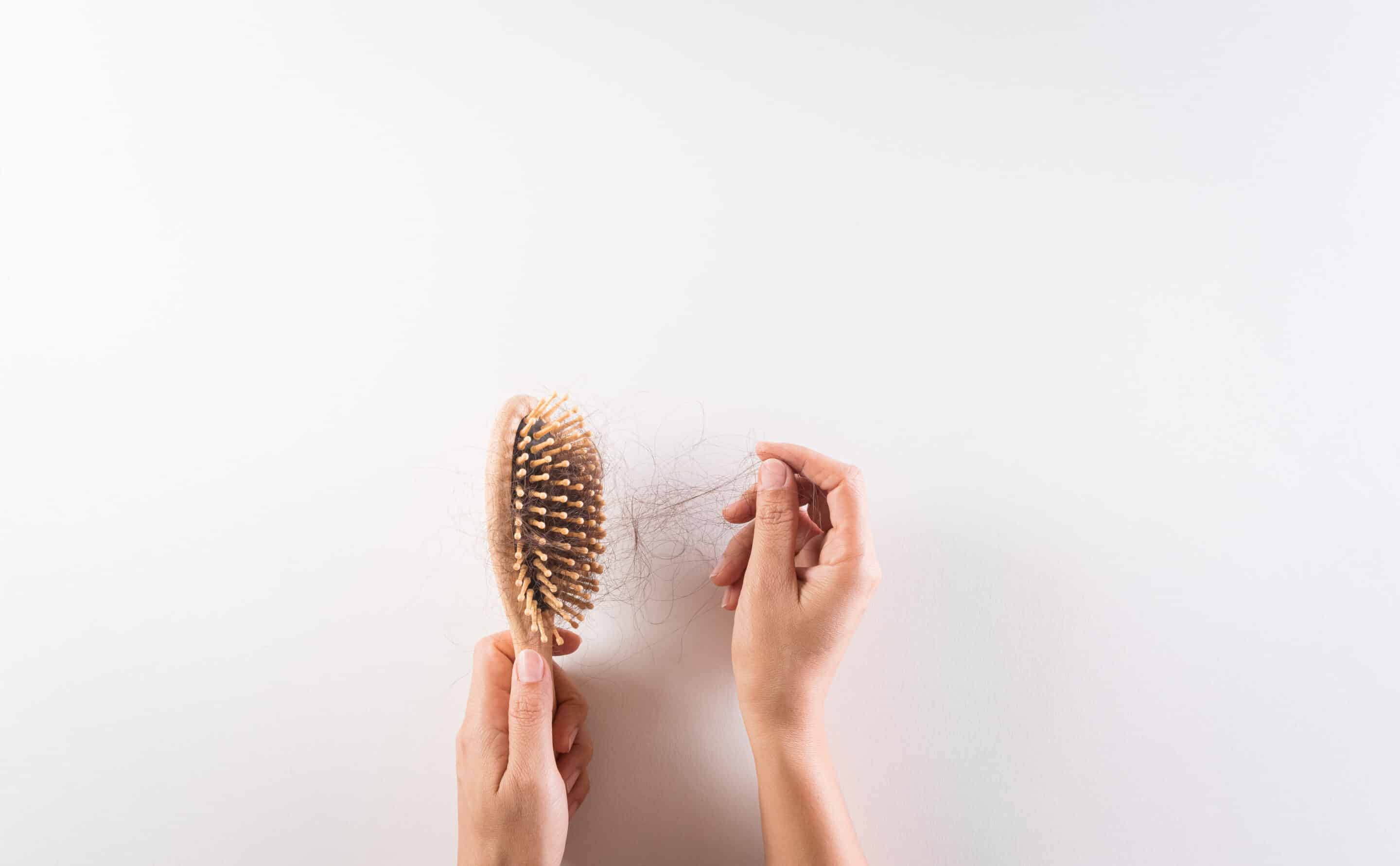
For many women, hair thinning begins almost unnoticed. You may see a few extra strands in your brush, more hair in the shower drain, or find yourself styling your hair differently to disguise a widening part. Over time, what once seemed like a temporary change can become a growing source of frustration and concern.
Hair plays an important role in how many women see themselves. When it begins to thin, it is common to feel anxious, self-conscious, or even overwhelmed. While hair loss is often associated with men, millions of women experience thinning hair at some point in their lives. The good news is that many causes of hair loss are treatable—but successful treatment begins with understanding why it is happening.
At Dr. Demetri’s Hair Restoration Clinic in Tampa, women frequently ask the same question: “Why is my hair thinning?” The answer is not always straightforward. Hair thinning is a symptom, not a diagnosis, and identifying the underlying cause is the first step toward creating an effective treatment plan.
Hair Thinning Is a Symptom—Not a Diagnosis
One of the biggest misconceptions about hair loss is that there is only one cause. In reality, thinning hair can result from a wide range of factors, including genetics, hormonal changes, medical conditions, nutritional deficiencies, stress, and even certain hairstyles.
Because each cause affects the hair follicles differently, there is no one-size-fits-all treatment. A therapy that works well for one patient may do little for another if the underlying cause has not been accurately identified.
This is why a professional evaluation is so important. Rather than simply treating hair thinning itself, Dr. Demetri focuses on determining why it is occurring. By evaluating your medical history, hair loss pattern, scalp health, and other contributing factors, he can recommend the treatment strategy most likely to produce meaningful, long-term improvement.
Female Pattern Hair Loss
Female pattern hair loss is the most common cause of hair thinning in women. Unlike male pattern baldness, which often creates a receding hairline or bald spot, women typically experience a gradual widening of the part and diffuse thinning across the top of the scalp while preserving the frontal hairline.
This type of hair loss is often influenced by genetics and hormones and tends to progress slowly over time. Many women first notice that their ponytail feels thinner or that more of their scalp is visible in bright lighting or photographs.
Although female pattern hair loss cannot always be prevented, early diagnosis allows for treatment options that may help slow progression and preserve existing hair.
Hormonal Changes
Hormones play a significant role in maintaining healthy hair growth, and even subtle hormonal fluctuations can affect the hair growth cycle.
Women may notice increased shedding or thinning during periods such as:
- Pregnancy and the postpartum period
- Perimenopause and menopause
- Polycystic ovary syndrome (PCOS)
- Thyroid disorders
- Other hormonal imbalances
Because these conditions require different treatment approaches, identifying the underlying hormonal cause is essential before beginning any hair restoration plan.
Stress-Related Hair Loss (Telogen Effluvium)
Significant physical or emotional stress can trigger a temporary form of hair shedding known as telogen effluvium. Rather than causing permanent damage to the hair follicles, telogen effluvium shifts an unusually large number of hairs into the resting phase of the hair growth cycle. Several weeks or even months later, those hairs begin shedding all at once.
Common triggers include:
- Major illness or surgery
- High fever
- Childbirth
- Significant emotional stress
- Rapid weight loss
- Certain medications
While this type of hair loss can be alarming, it is often temporary once the underlying trigger has been addressed. However, because telogen effluvium can resemble other forms of hair loss, a professional evaluation is often necessary to confirm the diagnosis.
Nutritional Deficiencies
Healthy hair growth depends on a variety of nutrients that support the hair growth cycle. When the body lacks essential vitamins, minerals, or protein, hair follicles may shift into a resting phase, resulting in increased shedding or thinning over time.
Some nutritional deficiencies associated with hair loss include:
- Iron deficiency
- Low protein intake
- Vitamin D deficiency
- Zinc deficiency
- Certain B vitamin deficiencies
Because nutritional deficiencies can develop gradually, many women are unaware that their diet or underlying medical conditions may be contributing to their hair loss. If a deficiency is suspected, appropriate testing may be recommended as part of a comprehensive evaluation.
Traction Alopecia
Not all hair loss begins inside the body. In some women, thinning develops because of repeated tension placed on the hair follicles over time.
Traction alopecia is commonly associated with hairstyles such as tight ponytails, buns, braids, extensions, and weaves that place continuous stress on the scalp. When recognized early, this type of hair loss may be reversible. However, prolonged tension can permanently damage the hair follicles, making restoration more challenging.
Autoimmune Disorders and Other Medical Conditions
Certain medical conditions can also interfere with normal hair growth. Autoimmune disorders, thyroid disease, scalp inflammation, and some medications may contribute to thinning hair or sudden hair loss.
For example, alopecia areata is an autoimmune condition that causes the body’s immune system to mistakenly attack healthy hair follicles, often resulting in smooth, round patches of hair loss. Other medical conditions may lead to more diffuse thinning throughout the scalp.
Because treatment varies depending on the underlying diagnosis, it is important to identify the cause rather than simply treating the symptoms.
When Should You See a Hair Restoration Specialist?
While it is normal to lose some hair each day, persistent or progressive thinning should not be ignored. Early evaluation often provides the greatest opportunity to preserve existing hair and begin treatment before significant hair loss occurs.
You should consider scheduling an evaluation if you notice:
- Increased daily hair shedding
- A widening part
- Gradually thinning hair
- More visible scalp
- Sudden or patchy hair loss
- Hair that seems noticeably less dense than before
The earlier the cause is identified, the more treatment options may be available.
How Is the Cause of Hair Thinning Diagnosed?
Because hair thinning can have many different causes, determining the underlying reason is one of the most important steps in developing an effective treatment plan.
During your consultation, Dr. Demetri performs a comprehensive evaluation that may include:
- Reviewing your medical history
- Discussing when your hair thinning began
- Evaluating your pattern of hair loss
- Examining your scalp and hair density
- Reviewing medications and lifestyle factors
- Discussing family history of hair loss
- Recommending additional evaluation or testing when appropriate
Rather than assuming all hair loss is the same, Dr. Demetri develops personalized recommendations based on your individual diagnosis and long-term goals.
Can Hair Thinning in Women Be Treated?
Many women are encouraged to learn that treatment options are available for a wide range of hair loss conditions. The most appropriate treatment depends on the underlying cause, the stage of hair loss, and your individual goals.
Depending on your diagnosis, treatment options may include:
- Customized topical hair loss medications formulated through a local compounding pharmacy
- Oral medications when appropriate
- Platelet-Rich Plasma (PRP)
- Lifestyle or nutritional recommendations
- Hair restoration procedures
- Hair transplantation for appropriate candidates
The goal is not simply to slow hair loss whenever possible, but to develop a personalized strategy that supports long-term hair health and natural-looking results.
Questions Women Ask About Hair Thinning
Schedule a Hair Thinning Consultation in Tampa Today
At Dr. Demetri’s Hair Restoration Clinic, every treatment plan begins with a comprehensive evaluation designed to identify the underlying cause of your hair loss. Whether your thinning is related to genetics, hormones, stress, or another condition, Dr. Demetri will collaborate with you to develop a personalized plan focused on restoring your hair and your confidence.
Schedule your consultation today to learn what is causing your hair thinning and explore the treatment options that may be right for you.